Wok Pans
Nice and deep, hollow, and increasingly popular in Dutch cuisine. With woks, you can steam, simmer, and stir-fry. Most woks at Culicartel work on any heat source, but always double-check this.
Filter

Skottsberg Wok Pan 'stainless steel' Ø28cm / 3.5L
4.5 (15 reviews)
99,99

Greenpan Wok 'Geneva' Ø28cm / 3.6L
4.4 (5 reviews)
63,92
79,90

Demeyere Wok Ø28cm / 4L 'Alu Comfort 3 Ceraforce'
4.6 (7 reviews)
49,-
69,00
inspiration
Buying pans? 4 things to look out for
Read blog

Skottsberg Wok 'Carbon steel' Ø34cm / 4.5L
4.8 (10 reviews)
84,99

Greenpan Wok Pan 'Première' Ø30cm / 4.7L
5.0 (4 reviews)
122,-
159,90

De Buyer Wok 'Mineral B'
4.3 (4 reviews)
from
45,95 63,95
Demeyere Wok 'Apollo 7'
4.7 (42 reviews)
from
149,- 199,00
Demeyere Wok 'Alu Pro 5 Ceraforce' Ø30cm / 3L
4.8 (63 reviews)
85,-
109,00

Skottsberg Wok Pan 'Cast Iron' Ø34cm / 5L
4.8 (20 reviews)
84,99

Skottsberg Wok Pan 'Carbon Steel'
4.3 (21 reviews)
from
59,99
Demeyere Wok 'Industry 5' Ø30cm / 3L
5.0 (6 reviews)
149,-
189,00

Demeyere Wok Ø28cm 'Alu Industry 3 Ceraforce'
4.7 (18 reviews)
73,-
89,00

KitchenAid Tri-Ply Stainless Steel Wok Pan 28cm / 3.5L
4.8 (6 reviews)
99,90
139,90

Demeyere Wok 'Alu Plus 3 Ceraforce' Ø28cm
5.0 (9 reviews)
79,-
89,00

Demeyere Wok Pan 'Black 5' ⌀30cm / 3L
5.0 (1 review)
159,-
199,00

STAUB Wok with glass lid Ø30cm / 4.19L
3.0 (2 reviews)
229,-

Greenpan Wok Ø28cm 'Apex'
65,90
89,90

BK Wokarang Wok Ø30cm / 2.6L 'Black Steel'
47,92
59,90

Greenpan Wok Pan Ø28cm / 3.7L 'Barcelona Pro'
84,-
114,90
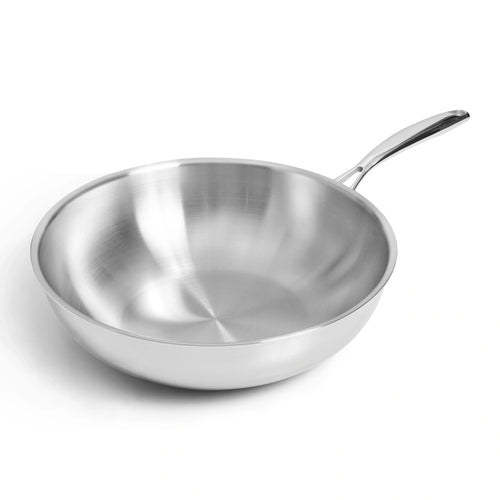
SOPHIOR Stainless Steel Wok Pan Ø30 cm
5.0 (4 reviews)
63,-
79,00

Smeg Ceramic Wok Pan Ø30cm / 6.6L 'Emerald Green'
115,-
159,00

BK Wok Pan / Wok Ø36cm / 7.5L 'Easy Induction'
5.0 (1 review)
76,72
95,90

BK Durabond Hybrid Wok Pan Ø28cm 'Peter Goossens'
4.0 (1 review)
95,92
119,90

Smeg Ceramic Wok Pan Ø30cm / 6.6L 'Cream'
115,-
159,00

Smeg Ceramic Wok Pan Ø30cm / 6.6L 'Black'
115,-
159,00

BK Wok Pan Ø28cm / 3.7L 'Sublime Cream White'
49,90
69,90

BK Wok Pan Ø28cm / 3.7L 'Sublime Olive Green'
55,92
69,90

DUCQ Wok Ø28cm 'Stainless Steel' 3-layer
95,20
119,00
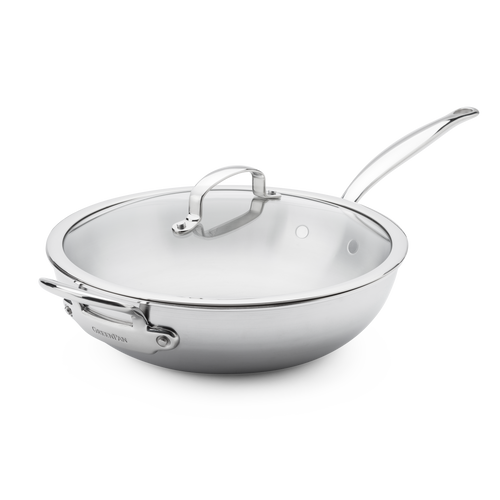
Greenpan Wokpfanne Edelstahl Ø30cm / 4.7L 'Première Pro'
111,92
139,90
1
2
Frequently asked questions
-
Which wok is best for induction?
-
Does a wok with a rounded bottom work on induction?
-
Is carbon steel the same as sheet steel and carbon steel?
-
What is the difference between a carbon steel, cast iron, and stainless steel wok?
-
Why is my new carbon steel wok sticking, and why is it rusting?
-
How do I season a new carbon steel or cast iron wok?
-
What size wok do I need?
-
Can I put a wok in the dishwasher?
-
Is a wok with a lid useful?
-
What is the difference between a wok and a sauté pan?