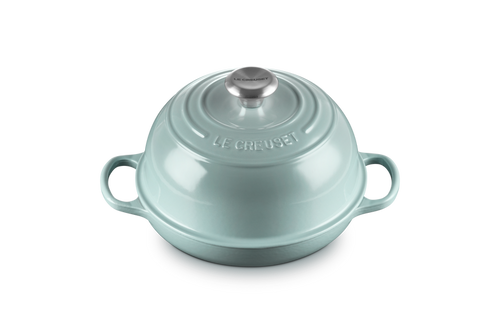
Special pans

Some pans do just one thing, and that one thing better than any cookie cutter or cooking pan. A paella with a crispy bottom, a stew that stays juicy for hours, bread with a crust like the baker's: for that you need the right shape and the right material. In the special pans collection, you will find the authentic paella pan, the Moroccan tajine, the mussel pan, the cast iron bread pan and the poffertjes pan, from brands such as Skottsberg, De Buyer, BK, Demeyere and Le Creuset. All 100% original, with an official warranty and free returns, and with advice from our cooking specialists if you are unsure.

Read blog

Cast iron pans

A heavy and durable material, resistant to high temperatures. The pan lasts for generations. These pans don't warp and are oven-safe. Heating up and cooling down takes a bit longer, but once hot it stays hot for a long time. Don't wash the pan in the dishwasher.

Carbon steel pans

Lighter than cast iron and they heat up faster. These pans are seasoned to create a non-stick layer. Warm the pan up after washing to dry it completely. This prevents rust.

Stainless steel pans

Stainless steel is very light and doesn't rust. These pans are also dishwasher-safe. They can withstand high temperatures but cool down quickly.

Copper pans

These pans don't just look stylish, they're also very durable. Good copper unfortunately doesn't come cheap, but the quality is fantastic. Working on professional dishes like sauces, jam or risotto where you need perfect temperature control? Then the copper pan is the perfect choice.

Aluminium pans

At a lower price you give up some quality, but they're very pleasant to use. They're light pans that are easy to clean. They have excellent heat conduction and are therefore ready to use quickly.

Filter

Sort

Frequently asked questions

  • What are specialty pans and when do you use them?

    Specialized pans are designed for one specific dish or cooking technique: a paella pan for Spanish rice dishes, a tagine for Moroccan stews, a steamer pan for steaming mussels, a Dutch oven for crispy sourdough bread, and a poffertjes pan for fluffy poffertjes. You choose such a pan when a regular cookie pan or cooking pot does not produce the desired result, for example due to the wrong shape, heat distribution, or depth.

  • Which special pans are suitable for induction?

    A large part of our range is induction-compatible, including the paella pans from Skottsberg, De Buyer and BK, the mussel pans from Demeyere and BK, and the casserole dishes and tajines from Le Creuset. Cast iron and steel pans with a flat base almost always work on induction. A classic earthenware tajine does not. Therefore, always check the induction symbol in the product specifications; at Braadbaas, compatibility is indicated for every product.

  • Why is carbon steel the classic choice for a paella pan?

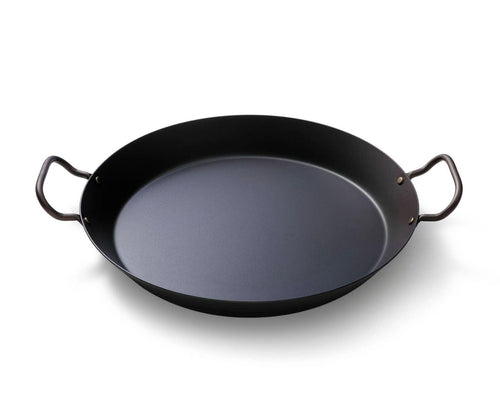
    Carbon steel (sheet steel) is lightweight and heats up quickly and evenly, ensuring the rice cooks evenly and a beautiful crispy crust forms. With regular use, the pan develops a natural, dark non-stick layer. The material does require some care: do not put it in the dishwasher, and after washing, dry it thoroughly and lightly oil it. Stainless steel and enameled paella pans are easier to maintain, but lack that build-up of patina.

  • How do I care for a carbon steel paella pan and prevent rust?

    Wash a carbon steel paella pan by hand with warm water and a soft sponge; never put it in the dishwasher. Dry it thoroughly immediately afterwards, and if necessary, heat it briefly over the stove to evaporate any remaining moisture. Rub it with a thin layer of neutral oil before storing it away. This preserves the patina and prevents rust. Remove small rust spots with coarse salt and a dash of oil. For detailed step-by-step instructions, read our blog post about seasoning a cast-iron pan, which also applies to sheet steel.

  • What size paella pan do I need?

    As a rule of thumb: 26–30 cm for 2 people, 34–38 cm for 4 people, and 42–46 cm for 6 or more people. Paella is always cooked in a thin layer, so the pan can be generously sized. A pan that is too small will result in a layer of rice that is too thick, which compromises even cooking and the formation of a crispy crust on the bottom.

  • Does the Le Creuset tajine work on induction, and why cast iron?

    Yes. The Le Creuset tajine has a cast-iron base that distributes heat evenly and works on all heat sources, including induction. The tall, conical lid is made of earthenware and ensures the typical steam circulation that keeps stews tender. An all-earthenware tajine works best on a low gas flame or in the oven and is more fragile. For everyday use on a modern stovetop, the cast-iron version is the most versatile choice.

  • Can I use a cast-iron bread pan in the oven?

    Yes, that's what it's made for. The Le Creuset cast iron bread pan is oven-safe up to 260 °C and works like a small steam oven: during the initial baking phase, the cast iron retains the moisture with the lid on for a light crumb, after which you remove the lid for a crispy crust. For other models, always check the maximum oven temperature specified by the manufacturer, especially with a plastic handle.

  • Are their special pans a good gift?

    A Le Creuset tagine, a cast-iron poffertjes pan or a beautiful paella pan are gifts that will last for years and be used time and again. Not sure about the recipient's taste? Then a gift card is a great solution, so the cooking enthusiast can choose the perfect pan themselves.

What you need to know about Special pans

This is what you need to know about specialty pans

A specialty pan owes its name to a shape, material, or function that is designed for a single dish. A paella pan is wide and shallow, so the rice cooks in a thin layer and develops that characteristic crispy crust (the socarrat). A tagine uses a tall, conical lid that allows steam to condense and drip back down, keeping a stew juicy for hours without you having to do anything. A mussel pan, on the other hand, has high sides and a tight-fitting lid to steam the mussels in their own moisture, while a cast-iron bread pan works like a mini-oven inside your oven. With the right pan, you can achieve results that are impossible with a regular frying pan.

When it comes to material, it's all about heat. Cast iron retains heat for a long time, provides a beautiful browning, and lasts for generations; ideal for bread pans, poffertjes pans, and tagines. Carbon steel (also known as sheet steel or carbon steel, three names for the same material) is lighter, heats up faster, and is the classic choice for a paella pan, but requires maintenance: dry it after washing and lightly oil it. Stainless steel, finally, is the easiest: dishwasher-safe, no coating, and no seasoning. Always consider the heat source when making your choice, because not every specialty pan works on induction. Also view the complete pan range if you are still exploring your options.

Buying a specialty pan – what to look for?

First, choose based on the dish you make most often: that determines the shape and size. A paella pan for four people will often need 34 to 38 cm, while a tagine for two people is amply served by around 22 cm. Then look at the material, because that determines how the pan feels, how much maintenance it requires, and how long it will last. Finally, check whether the pan is suitable for your heat source: if you cook on induction, you need a flat, magnetic base. The compatibility of every product on our site is listed, so you won't be faced with any surprises. Still don't know which type of pan you are looking for? In the blog which pan do I need? we list the options.

Which specialty pan will you choose?

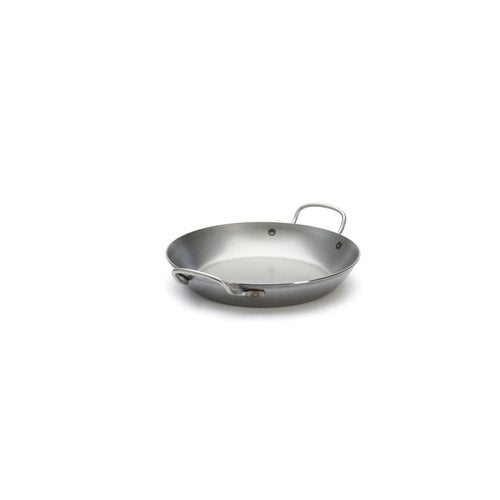
You can only make an authentic Spanish paella in a paella pan. The wide, shallow shape with two handles distributes the rice evenly across the bottom, exactly what you need for the famous crispy crust at the bottom. The traditional choice is carbon steel (sheet steel): the Skottsberg Paella Pan Ø38 cm is ideal for a family with that size, while The Buyer 'Carbone Plus' is available in smaller sizes for a paella for two or three. The BK 'Black Steel' Ø38 cm combines sheet steel with a sturdy cast-iron handle. Prefer to cook outdoors? Then The Bastard Allround Frying Pan Ø37 cm is a versatile choice for the barbecue or kamado.

The tagine is the traditional Moroccan stewing vessel in which the conical lid does the work: condensation runs down the walls back to the bottom, so meat, vegetables, and spices cook slowly and juicily at a low temperature. At Braadbaas, you can choose the Le Creuset tagine with a cast-iron base and a funnel-shaped earthenware lid. That cast-iron base makes it robust and suitable for induction, whereas a classic earthenware tagine is not. This gives you the authentic result, but on any cooktop.

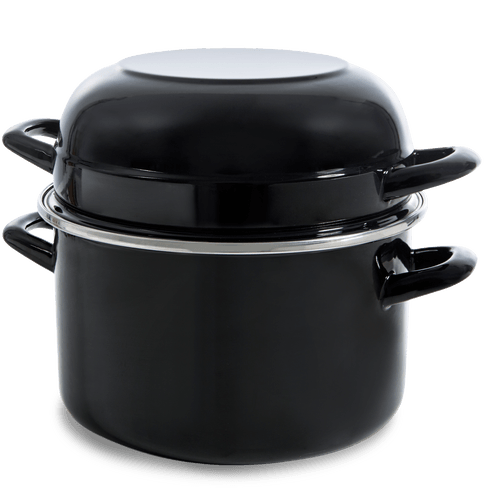
A mussel pan is designed to steam mussels in their own moisture. The high sides and tight-fitting lid ensure that all the mussels cook evenly and quickly. The Demeyere 'Specialties 3' is made of shiny stainless steel and is therefore low-maintenance and induction-compatible, while the BK 'Fortalit' has a handy tall lid that you flip over to collect the empty shells.

For a crispy crust with a light interior, a cast-iron bread pan is unbeatable. The heavy cast iron retains heat extremely well and creates what is practically a mini-oven inside your oven: ideal for sourdough, farmer's, or tiger bread. The Le Creuset Signature Bread Pan is oven-safe up to 260 °C and will last a lifetime with proper care.

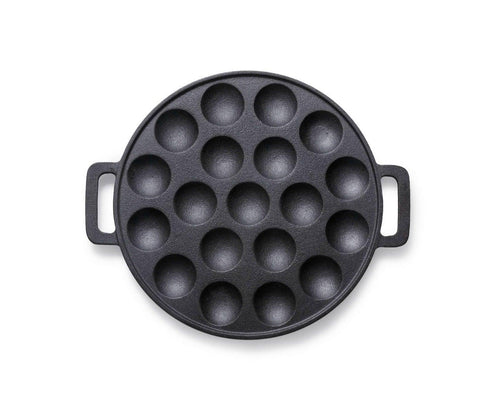
With a cast-iron poffertjes pan, you can put a plate of steaming poffertjes on the table in no time. The small cavities give the batter its round shape, while the cast iron ensures an even browning and a soft interior. The Skottsberg Poffertjes Pan 'Cast Iron' comes pre-seasoned out of the box, so you can get started right away.

Are you looking for a pan specifically for paper-thin pancakes or crepes? You will find that in the separate collection of pancake pans, with models from Skottsberg, De Buyer, and Le Creuset, among others.

What do you cook in a specialty pan?

Every specialty pan is designed for one dish. In a paella pan, you make authentic Spanish paella with that essential crispy bottom crust. Use a tagine for slow-cooked Moroccan stews with lamb, chicken or vegetables. In a mussel pan, you steam mussels in their own juices, in a bread pan you bake crispy sourdough or farmhouse bread straight from the oven, and in a poffertjes pan you create a plate of fluffy poffertjes. Looking for something for the daily cooking routine? Then check out our frying pans or the complete collection of cast-iron pans.

What is the best specialty pan for you?

Which one is best for you depends on what you serve most often. If you enjoy cooking international cuisine and like to let your dishes simmer for a long time, then the cast-iron Le Creuset tagine is worth it: durable, versatile and suitable for induction. If you are all about a large paella for the whole family, then go for the carbon steel Skottsberg Ø38 cm or the BK 'Black Steel'. For poffertjes, the cast-iron Skottsberg poffertjes pan is the finest, and for homemade bread, you get bakery-quality with the Le Creuset bread pan straight from your own oven.

Buy a specialty pan at Braadbaas

At Braadbaas, you buy your specialty pan from a specialist cookware store. All products are 100% genuine, come with an official warranty and can be returned free of charge. Our specialists in the store in Maassluis know exactly which pan suits which dish and are happy to help you choose, in the store, via WhatsApp or via chat. You can find the complete overview in the collection of specialty pans and in the entire pan range.