Pan sets
You buy a good cookware set once and use it for years, sometimes a lifetime. In the cookware sets collection, you will find a carefully curated selection at Culicartel, from compact 3-piece starter sets to complete 5- and 7-piece sets from top brands such as Demeyere, Zwilling, Le Creuset, Greenpan and BK. Are you looking for a robust stainless steel cookware set that will last for generations, a ceramic, PFAS-free set for healthy cooking with little oil, or a luxurious copper set for maximum precision? Then you will find the right type for your cooking style and budget here. Most sets work on induction, gas and ceramic hobs. If you are unsure what suits you, read on for our independent buying advice or view the complete cookware range.
Filter

Skottsberg 'Cast Iron' Pan Set | With Scrub Mat and Seasoning Oil
126,33
157,92
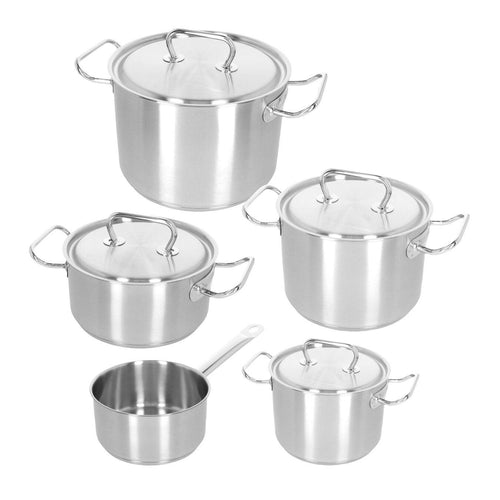
Demeyere 'Classic 3' 5-piece Cookware Set
239,-
319,00

Greenpan 10-Piece Cookware Set 'Padova Cream White'
4.2 (6 reviews)
289,-
399,00
inspiration
Buying pans? 4 things to look out for
Read blog

DUCQ Copper Pan Set 6-piece
5.0 (3 reviews)
625,-
799,00

Demeyere 4-Piece Cookware Set 'Atlantis 7'
4.9 (7 reviews)
659,-
915,00

DUCQ Copper Pan Set 4-Piece
5.0 (2 reviews)
375,20
469,00

DUCQ Copper Cookware Set Small 6-piece
580,-
725,00

Demeyere 3-Piece Cookware Set 'Intense 5'
499,-
705,00

DUCQ Copper Cookware Set 5-piece
549,-
699,00

Demeyere 3-piece Pan Set 'Apollo 7'
319,-
505,00
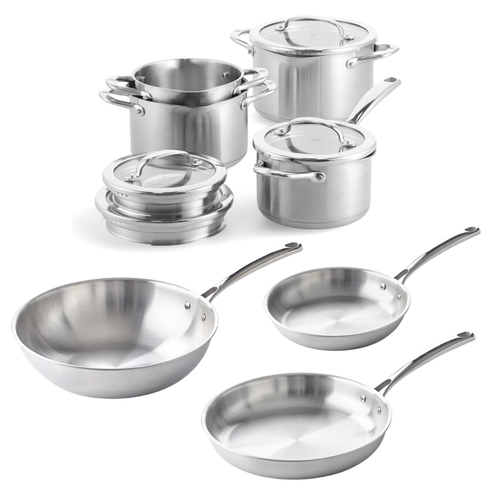
BK Cookware Set 7-Piece 'Twist' | With 'Superior Tri-Ply' Pans
370,-
569,69

Demeyere 'Apollo 7' 3-piece Cookware Set
375,-
535,00
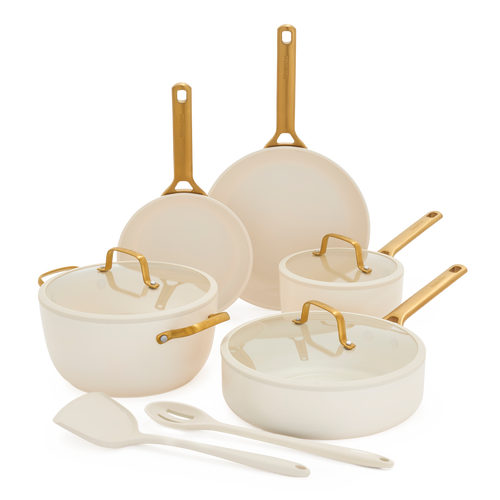
Greenpan 7-Piece Cookware Set 'Padova Pro Cream'
279,92
349,90

Demeyere Cookware Set 3-Piece 'Atlantis 7'
5.0 (2 reviews)
399,-
725,00

Greenpan 13-piece Cookware Set 'Mayflower Pro'
239,-
369,90

DUCQ Copper Pan Set 7-piece
615,20
769,00

Demeyere 3-Piece Cookware Set with Double-Walled Lid 'John Pawson 7'
629,-
785,00

BK 5-piece 'Flow Cool' Pan Set
5.0 (2 reviews)
209,-
289,90

Demeyere Cookware Set 4-piece 'Industry 5'
5.0 (3 reviews)
419,-
750,00

DUCQ Pan Set 20/24/28cm + Wok 28cm
5.0 (1 review)
276,-
345,00
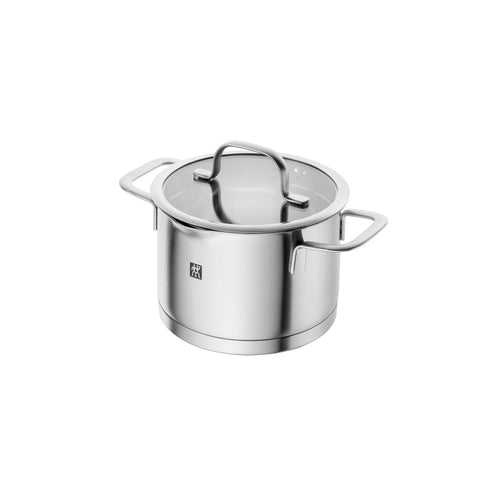
Zwilling Cooking Pot with Lid TrueFlow
from
59,-Frequently asked questions
-
Which cookware set is suitable for induction?
-
What is the difference between a stainless steel and a ceramic cookware set?
-
Are there cookware sets without PFAS?
-
How many pans are in a cookware set and which ones do you need at a minimum?
-
Is an expensive cookware set really better than a cheap one?
-
Can a cookware set go in the dishwasher?
-
Which brands of cookware sets does Braadbaas sell?
-
What is a good cookware set as a gift?
-
Can I expand a cookware set later with individual pans?